
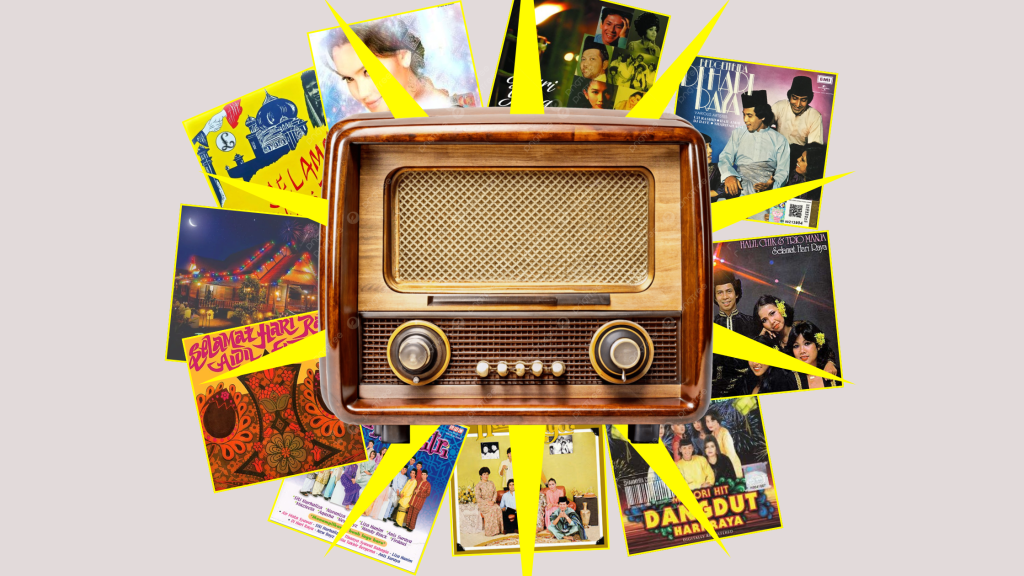
No other season here quite produces fast-food music like Raya does. Fast food, I say, because the new Raya music videos swarming your suggestion feed every hour aren’t necessarily from artists you’d recognise as such. They are names you once knew as viral-thirsty entrepreneurs, now branding themselves as eligible singers. The faces that once sold skincare on your TikTok now front expensive music video productions of their own. Meanwhile, established artists want a piece of the attention too. Siti Nurhaliza — whose 2003 Raya supreme hit spawned her own version of the Mariah Carey defrosting-on-Christmas meme — is set to hold her Raya concert next month, where she will perform a selection of her greatest Raya hits. Syasya Rizal, the former Dolla member who announced her retirement in 2024 has since released two singles as a solo artist, both of them lagu raya. Aina Abdul has just released her third lagu raya for the year alone, while hip hop group The Fabulous Cats announced their comeback with a lagu raya as their reintroduction. So if you’re not an artist, then Hari Raya becomes your once-a-year excuse to be one.
To make a successful modern lagu raya, one doesn’t necessarily have to innovate or create new sounds to please the general audience. What makes a successful modern lagu raya both easy and difficult is the expectation that it must preserve the nostalgia of classics — even if such expectations are voiced by people who weren’t even born when those songs were released. Artistic stagnancy, in this case, becomes a delicious reward, never mind that music no longer functions or rewards us the way it once did. This race to emulate nostalgia quickly and convincingly has long been embedded in pop culture. But with TikTok virality as the new benchmark, and music production made easier (and arguably less dignified) through prompt-writing, the race has curdled into something overdone, stale and processed to death. It’s a plague eating us alive, and lagu raya culture takes the bigger bite yet it’s one nobody seems interested in curing. Without demand, there’d be no supply, right?
To see how fast-food lagu raya bends to audience demand, you need look no further than your own feed. Listeners treat the Raya season as if they’re seated on the judging panel of a reality singing competition. Scroll through Threads and you’ll find users publicly ranking and rating songs with competitive fervour. One crowns their favourites as if hosting an award show. Many assign scores out of ten. In the comments of new lagu raya music videos, the sentiments feel eerily familiar — they are copypastas of yesteryears, and yet each time they receive a ludicrous amount of likes. Even enough to grab the attention of MStar, turning our meaningless harping into hundreds of articles designed for nothing more than clicks and ad revenue. Of course, it’s natural to rate the music you love, to argue, to care. But you can’t help but wonder: where is this same energy when it comes to engaging with music released the rest of the year?
Because of buzzing armchair critics and mounting expectations everywhere, all modern lagu raya are treated equally as fast-food music, even if they’re not. Among the most hailed lagu raya of the year is Aisha Retno’s “Jodoh Lebaran” which has garnered 3.2 million views on YouTube so far. But the numbers aren’t always from genuine fans. A one-minute teaser of the jubilant music video successfully baited a mixed bag of reactions, though I doubt that was the intention. The criticisms are petty and tiresome after every scroll. But the most common — yet jarring with every read — comment is that the Raya vibes are nowhere to be found in these new songs anymore.
So what exactly are these elusive “Raya vibes”? On the surface, the imagery is textbook: lyrics of family members asking forgiveness, lemang and rendang laid out on the table, crisp ringgit notes tucked into colourful packets. But these are merely entry points. They are images so generic you could Google Image them without ever experiencing Raya yourself. They are not a universal reality, nor should they dictate what every lagu raya must contain to qualify as “authentic.” Some of us avoid Raya altogether, burdened by personal histories that strip the celebration of its supposed joy. Others go through the motions, unsure why the nostalgia no longer hits.
When vibes become the sole objective, the craft gets lost in the meaning. Art is compromised, expectations are at an all-time high but standards are happily living at rock bottom. Because to achieve the “Raya vibes” today simply means to be a copycat. What remains is a vacuum, quickly filled by opportunistic singers chasing clicks and brands desperate for visibility. Soulless AI-generated music videos get the most attention and climb the charts. Intentionally absurd songs get turned into hot memes. You see how commercial raya jingles masquerade as legitimate entries and audiences blur the line between music made for art and music made for corporate marketing. All of it, in the name of vibes.
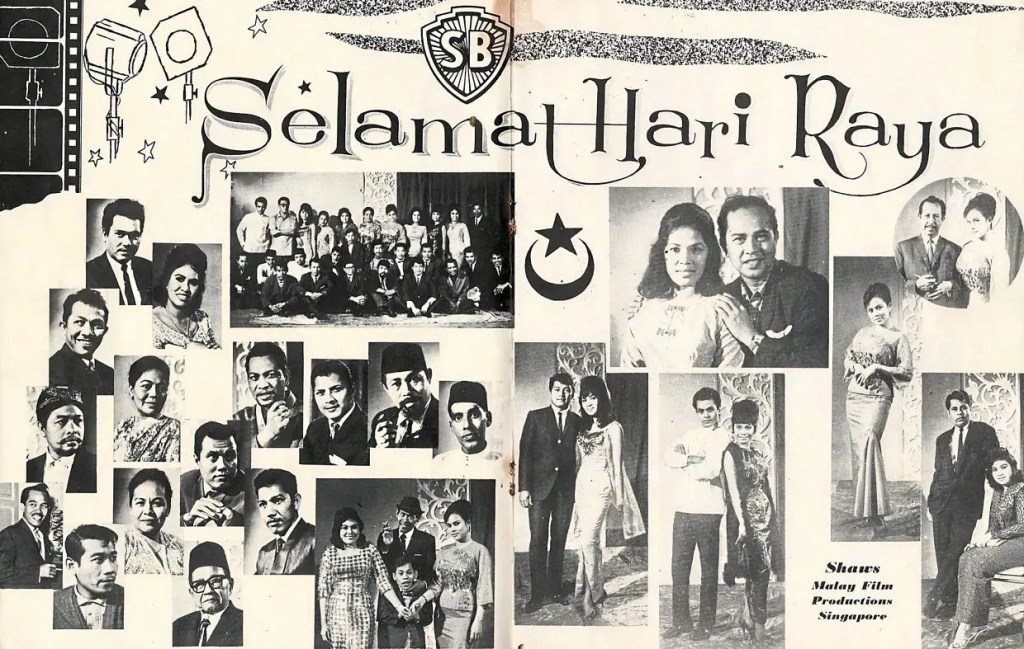
When we long for “lagu raya lama vibes” do we account for the many forgotten songs of the past? As lagu raya culture first emerged in the 1930s, it was largely confined to aristocratic entertainment — a space where Malay composers experimented with Western instruments and popular genres while retaining Malay sensibility. By the 1950s, as film brought stars into public consciousness, lagu raya became more populist. Iconic songs by iconic voices emerged, passed down and reinterpreted across generations. By the 1990s, the raya compilation albums boom was in full swing. Genres diversified with dangdut, hip hop and ballads while lyrics grew more personal, more varied. Multiple compilation albums were released in a year, and tracklists became formulaic, featuring the same popular songs from decades ago. What we’re witnessing now isn’t a sudden rupture caused solely by clickbait economies or accelerated trends, but the natural consequence of a culture long tied to mass production. No wonder we are so nostalgic for the popular oldies. They stand the test of time so well because their popularity was designed to follow us everywhere we go — in compilation albums, on radios, TVs, and movies — while today’s most popular songs are made specifically to thrive on current trends. If you weren’t so online, would you know which influencer is being scrutinised for their absurd lagu raya?
In the end, many things can be true at once. Casual listeners-cum-critics are often unjustly nostalgic. The sonics of lagu raya should be given the space to evolve, just like any other form of music that reflects the time it was made. Fast-food lagu raya built for cheap viral moments deserves cogent criticism. The time we’re living in offers a different tune from the previous generation, though the melody rings the same. While lagu raya has always been made to satisfy a broad audience, our current technology now enables its production at a speed and standard we are increasingly uncomfortable with. So if fast-food music craves our attention, then we should be more selective in giving it. Because when we look back years from now to decide what defined this era of lagu raya, we may find that the most visible songs were not the most deserving. The truly great ones, however quietly they existed, simply slipped into obscurity. And then we’ll ask the same question again: why don’t we have great lagu raya anymore?
 noisy headspace
Leave a comment